

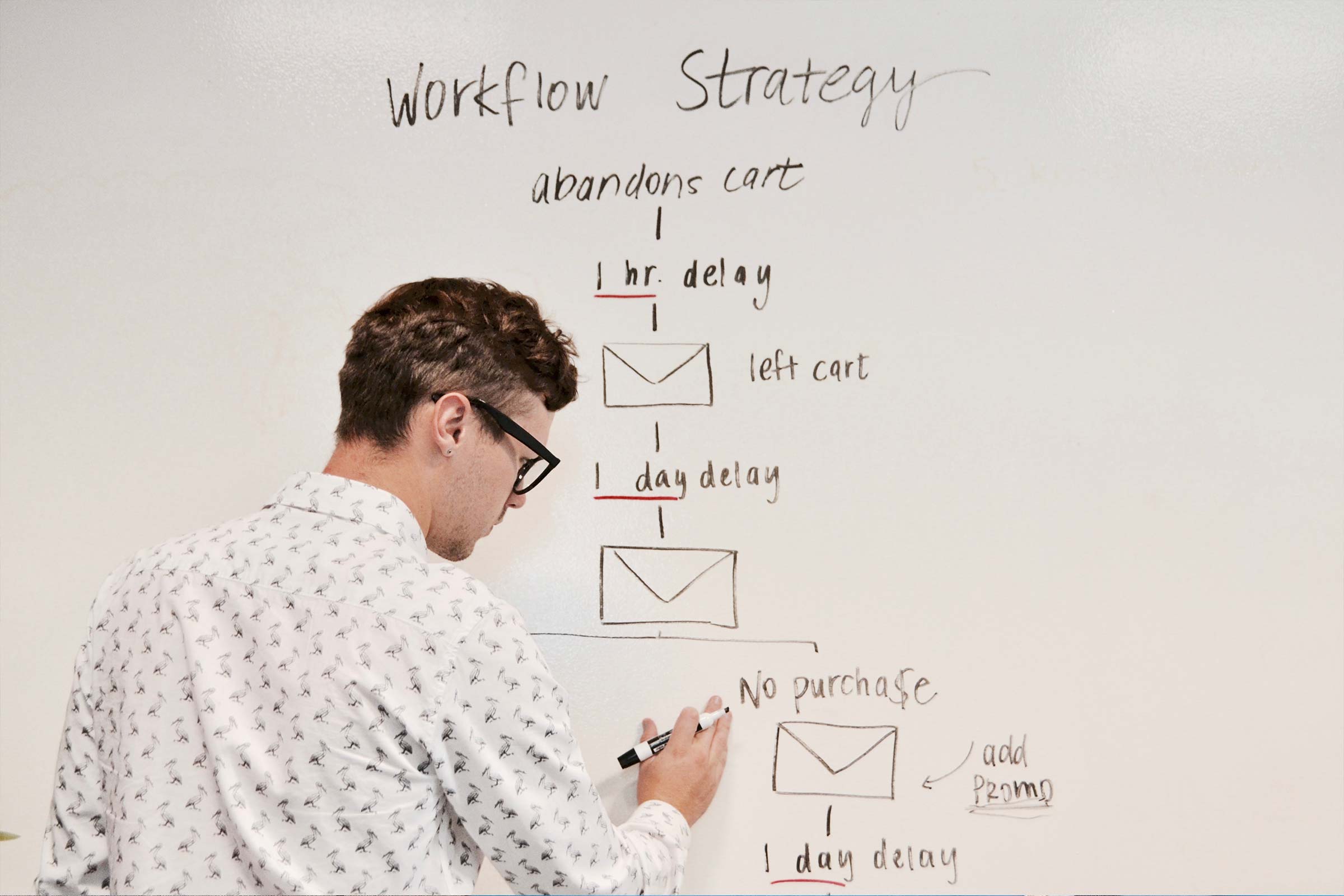
Content marketing is one of the most effective ways to attract customers, build trust, and generate long term growth. But many businesses post randomly without a clear plan. If you want consistent results, you need a structured content marketing strategy.
Here is a step by step guide to building your first content marketing strategy the right way.
Step 1: Define Clear Goals
Before creating content, identify what you want it to achieve. Common goals include:
Clear goals help you measure success and guide your content decisions.
Step 2: Identify Your Target Audience
Your content must speak directly to the people you want to attract. Define your ideal customer by considering:
Understanding your audience ensures your content feels relevant and valuable.
Step 3: Conduct Keyword Research
If you want your content to rank in search engines, keyword research is essential. Identify what your audience is actively searching for.
These keywords will guide your blog topics and service page content.
Step 4: Choose the Right Content Types
Different formats serve different purposes. Your strategy may include:
Choose formats that align with your audience and business goals.
Step 5: Create a Content Calendar
Consistency builds momentum. Develop a realistic publishing schedule that you can maintain.
Your calendar should include:
Planning ahead prevents last minute content creation and keeps your strategy organized.
Step 6: Focus on Quality Over Quantity
Publishing frequently does not guarantee results. High quality content that solves real problems performs better than rushed posts.
Strong content should:
Quality builds authority and trust.
Step 7: Optimize for SEO
Each piece of content should be optimized properly. This includes:
SEO optimization increases your chances of ranking and driving organic traffic.
Step 8: Promote Your Content
Creating content is only part of the strategy. Promotion is equally important.
Share your content through:
Promotion increases visibility and accelerates results.
Step 9: Track Performance and Adjust
Monitor key metrics such as:
Use this data to refine your strategy over time. Content marketing is an ongoing process that improves with consistent evaluation.